What is ISP traffic analytics?
ISP traffic analytics provides real-time and historical visibility into traffic flows across Autonomous Systems (ASes), prefixes, peering interfaces, gateways, and subscriber infrastructure in ISP and carrier environments. By combining telemetry from NetFlow, IPFIX, BGP, SNMP, Syslog, DNS activity, and subscriber-aware systems, providers can understand how traffic moves across their backbone infrastructure and how routing decisions affect network behavior, peering efficiency, and transit utilization.
Unlike enterprise traffic monitoring, ISP analytics is deeply tied to routing policy, peering relationships, transit economics, and large-scale traffic-engineering decisions. Providers are not only interested in bandwidth consumption or interface utilization. They also need visibility into where traffic enters and exits the network, which upstreams or peers carry the traffic, how routing changes affect utilization, and whether traffic distribution aligns with performance and cost objectives.
In large provider environments, traffic visibility becomes especially important during congestion events, DDoS attacks, routing instability, content-distribution shifts, or backbone failures where traffic patterns can change rapidly across multiple regions and upstream providers.
How ISP traffic analytics works
ISP traffic analytics platforms collect telemetry from routers, peering edges, broadband gateways, backbone infrastructure, subscriber-access systems, and traffic-monitoring platforms distributed across the provider network. Flow telemetry is commonly enriched with BGP routing information so operators can associate traffic with origin ASNs, prefixes, upstream providers, peer networks, routing paths, subscriber groups, and geographic regions.
This correlation between routing data and traffic telemetry is one of the defining characteristics of ISP analytics. Without BGP-aware visibility, providers may see traffic volumes but lack the routing context required to understand why traffic shifted, which paths are congested, or how routing-policy changes affected utilization across peering or transit infrastructure.
Providers continuously analyze traffic movement across peering exchanges, transit providers, backbone links, and regional gateways to identify congestion conditions, optimize path selection, and maintain service quality during changing traffic conditions.
Long-term visibility is equally important because ISP traffic behavior evolves over time due to subscriber growth, new content-distribution patterns, route-policy changes, peering modifications, and infrastructure expansion.
ISP traffic analytics in network operations
In carrier and broadband environments, traffic analytics supports far more than bandwidth reporting. Engineering teams rely on traffic visibility to understand how traffic traverses upstream providers, settlement-free peers, internet exchanges, and internal backbone infrastructure.
Providers commonly analyze traffic by ASN, prefix, peer relationship, subscriber group, gateway, region, or application behavior to understand where traffic originates, how it traverses the network, and whether routing behavior aligns with traffic-engineering goals.
Peering analysis is especially important because inefficient routing or poor traffic locality can increase transit costs and create unnecessary congestion across expensive upstream links. Visibility into ASN-level traffic distribution helps providers determine whether traffic should remain on peering paths, shift toward alternate providers, or move across different backbone routes during changing network conditions.
Traffic analytics also plays a critical role during outages and routing anomalies. During route leaks, upstream instability, congestion events, or DDoS attacks, providers need to quickly identify where traffic shifted, which ASNs are affected, how backbone utilization changed, and whether traffic patterns indicate broader routing instability.
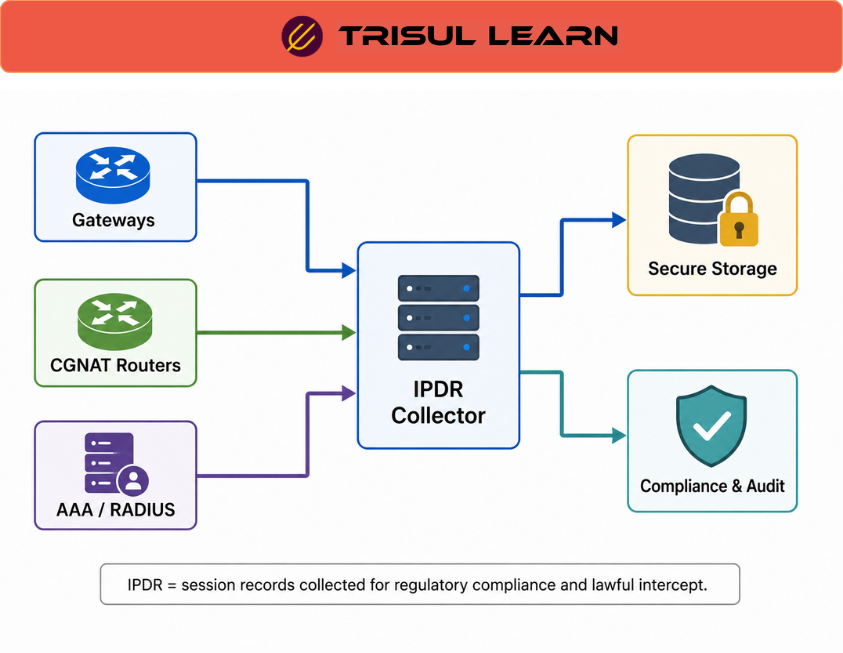
Subscriber visibility is another major component of ISP analytics. Broadband providers frequently correlate traffic telemetry with subscriber-aware systems, authentication infrastructure, NAT visibility, and DNS telemetry to understand service usage patterns, troubleshoot subscriber-impact events, and investigate abnormal traffic behavior.
Key ISP traffic analytics capabilities
| Capability | Purpose |
|---|---|
| ASN traffic analysis | Understand traffic volume by origin, peer, upstream, or downstream ASN |
| Prefix visibility | Analyze traffic distribution across prefixes and routing paths |
| Peering analysis | Evaluate peering utilization, traffic balance, and transit dependence |
| Route analytics | Correlate BGP routing behavior with traffic movement |
| Subscriber visibility | Understand subscriber usage and traffic consumption |
| Gateway analysis | Monitor gateway, edge, and backbone utilization |
| Transit-cost analysis | Understand how routing and peering decisions affect provider costs |
Together, these capabilities help providers move beyond interface-centric monitoring toward routing-aware traffic analysis and carrier-scale engineering visibility.
What makes ISP traffic analytics effective
Effective ISP traffic analytics depends on accurate BGP correlation, scalable telemetry collection, long-term retention, and fast drill-down visibility across extremely large traffic datasets.
Provider environments introduce several challenges that are less common in enterprise networks. Traffic volumes are significantly larger, routing tables change continuously, telemetry exporters may behave differently across vendors, and subscriber attribution becomes more complicated in NAT-heavy or distributed broadband environments.
To improve visibility and analysis quality, providers commonly centralize telemetry collection, correlate flow data with BGP routing information, retain long-term traffic history, and enrich telemetry using subscriber, DNS, geographic, and routing metadata.
These workflows help engineering teams investigate route anomalies, understand peering behavior, optimize transit usage, reduce congestion, improve traffic locality, and troubleshoot backbone instability before service impact becomes widespread.
In Trisul
Trisul supports ISP traffic analytics through integrated flow telemetry analysis, ASN-aware visibility, BGP correlation, subscriber-aware traffic attribution, and long-term traffic analysis workflows designed for carrier and broadband environments.
By correlating NetFlow, IPFIX, sFlow, J-Flow, and BGP telemetry, operators can analyze how routing changes affect ASN-level traffic distribution, peering utilization, gateway behavior, and subscriber traffic movement across distributed provider infrastructure.
This visibility helps providers investigate route leaks, congestion conditions, transit-path shifts, abnormal routing behavior, and peering imbalances that may affect both network performance and transit cost efficiency.
Trisul also enables engineering teams to drill into traffic behavior by ASN, prefix, subscriber group, gateway, application, or region to understand how traffic traverses the provider network during changing routing or congestion conditions.
These workflows are especially useful for ISPs, broadband providers, IXPs, telecom operators, and large-scale carrier environments where routing visibility, traffic attribution, peering analysis, and transit optimization are critical to maintaining infrastructure stability and service quality.
Additional ISP and flow-analysis workflows are documented in the Trisul documentation:
Related terms
- BGP peering analytics
- ASN
- NetFlow
- Prefix
- Flow telemetry
- Traffic engineering
- Carrier-grade NAT
Frequently asked questions
What is ISP traffic analytics?
ISP traffic analytics provides real-time and historical visibility into traffic flows across Autonomous Systems, prefixes, peering interfaces, and gateway infrastructure in ISP networks. It combines telemetry sources such as NetFlow, IPFIX, BGP, SNMP, Syslog, DNS telemetry, and subscriber-related metadata to support routing optimization, peering analysis, traffic engineering, congestion visibility, and carrier-scale analytics workflows.
What are the key use cases for ISP traffic analytics?
Common use cases include ASN traffic analysis, peering analysis, route analytics, transit-cost analysis, subscriber visibility, congestion analysis, traffic engineering, capacity planning, and routing troubleshooting across ISP infrastructure.
How does ISP traffic analytics help with peering decisions?
ISP traffic analytics helps operators understand traffic exchanged with peer, upstream, downstream, and origin Autonomous Systems. This visibility supports peering evaluation, traffic-locality analysis, routing optimization, transit-cost reduction, and capacity planning decisions.
What data sources does ISP traffic analytics use?
ISP traffic analytics commonly combines NetFlow or IPFIX flow telemetry, BGP route information, SNMP interface telemetry, Syslog events, DNS visibility, and subscriber or AAA-related metadata depending on the provider environment.